How to care for your Tent
Written by Susannah Stewart

Good Tent and Tarp care
A Tent or Tarp is your gateway to a comfortable outdoor lifestyle – take care of it and it will last a long time. Proper Tent cleaning and storage is essential for extending the life of your Tent or Tarp – and for enjoying your next trip.
The steps and tips below will help prevent the dreaded moment when you pull your trusty Tent out of storage for an eagerly awaited trip – only to realise it’s become the victim of mould or mildew.
Step 1: Good Tent Care starts before you set up your tent
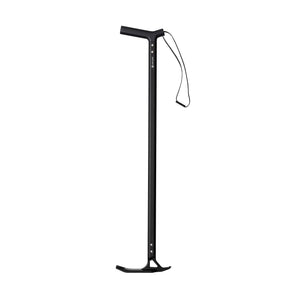
· Firstly, make sure you have all you need to put up your Tent or Tarp properly: Tent Pegs or Stakes, Hammer, Guy Ropes, Tensioners and consider having a Stake Puller which is very helpful to remove the Pegs without damaging them, or your fingers. Cleaning pegs after use will keep them in better condition, make them easier to use and keep your kit store much cleaner.
· Make a mental note of how many Tent Pags/stakes you have used so you know you have got them all at pack-down and don’t leave any in the ground.
· Designating a specific bag or container for all your Tent Pegs/Stakes, Hammer, spare Guy Ropes etc is a great way of keeping them tidy and making sure you always have what you need to hand. Maybe keep a small light in there too for late-arrival set ups!
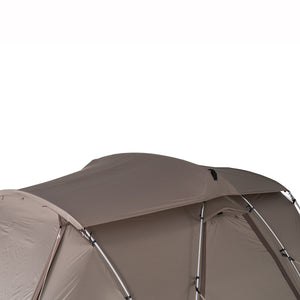
· Consider investing in a compatible Ground Sheet for your Tent to protect the bottom of your tent from the dirt, moisture and sharp objects. A Roof Sheet can offer extra protection from the elements as well as keep dirt and debris off the top of your tent.
Step 2: Breaking Camp
· Before you take down your Tent, check the pockets. Anything organic left in them could breakdown over time and go mouldy.
· Remove any dirt and debris that’s accumulated in the bottom of your tent. It’s worth packing a small brush for the tent base if you have space, especially good for getting into the corners. Wipe away any mud that has got into the tent, imperative if it is still wet. Finally, carefully shake out the tent to get the loose dirt out via one of the entry points.
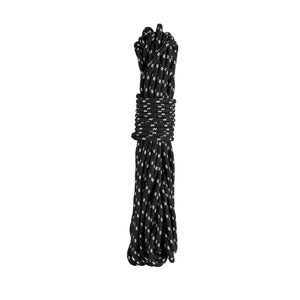
· Coil and tie up any guy ropes in loose knots so they don't get tangled.
· As you take down your tent, leave one of the doors partially unzipped to allow for easier and more compact rolling.
· When folding poles, if you double them up for quicker fold down, you will double stretch the poles elastic and reduce its lifespan. Instead fold the pole down from one end, it is slightly slower but your poles will last longer.
· Don’t forget to check you have all the pole pieces and Tent Pegs/Stakes that you came with. Give them all a quick wipe down before you pack them into their containers.
See below the images for what to do when you get your tent home.


Step 3: Clean your Tent or Tarp
· Once you return home, turn the Tent or Tarp inside out and give it another shake. Spot clean additional dirt off using a damp towel and a bit of well-diluted dish soap.
· Give poles and pegs a better wipe down with a damp cloth and then leave them to dry before packing away so they don’t go rusty.
· Check the zips to make sure they run through OK and give them a quick wipe down too.
Step 4: Dry out your tent – completely
· If you have been camping in a dry environment, congratulations, you can likely pack down your Tent or Tarp for your next trip without any further drying. Fold your flysheet down neatly. When you come to your inner tent check the bottom when folding, even in dry conditions this can still be a bit damp, this may need a little more drying. The most important thing is that if you're putting it away in storage it must be absolutely and totally dry, this is the number one thing that will guarantee the longevity of your Tent or Tarp.
· If you cannot leave the campsite with a dry Tent or Tarp you will need to dry it at home. After cleaning, hang your Tent or Tarp up to dry in your garage, basement or sunny garden. Drying out your Tent or Tarp is the most important step in post-use tent care, so don’t skip it! Storing a damp or wet Tent or Tarp is how mildew forms – resulting in unsightly staining, an unpleasant musty smell and, in the long term, breaking down the material much quicker.
· If you can, separate your Tent inner from the outer and dry them apart. Make sure you give your tent plenty of time to dry – the longer the better - it needs to be completely dry before you pack it away.
Step 5: Let your Tent or Tarp breathe
It’s much better if you don’t stuff your tent into its Tent or Tarp Bag immediately. Instead store it loosely folded down in a mesh bag. This will allow plenty of ventilation and helps to reduce any more the risk of mildew and mustiness.
By following these steps your Tent or Tarp should be clean, dry and ready and waiting - for whatever your next outdoor adventure will be.
Useful Tent Accessories
Grey Rope Pro. 3mm x 10m
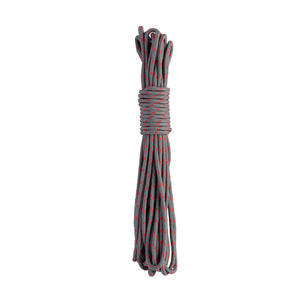
Polypropylene Rope Pro 4mm
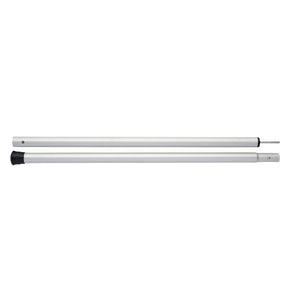
Wing Pole 140cm
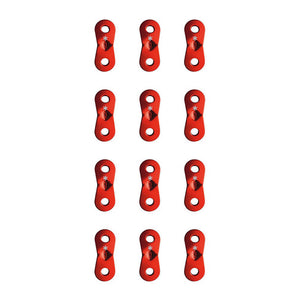
Red Aluminium Rope Tensioner
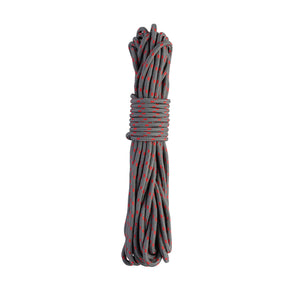
Grey Rope Pro. 4mm x 10m
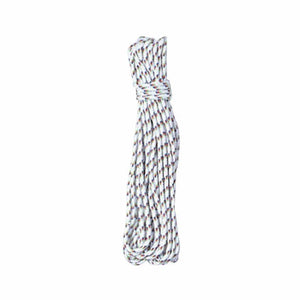
Polypropylene Rope Pro 3mm
Wing Pole 240cm
Wing Pole 280cm
Long Daisy Chain
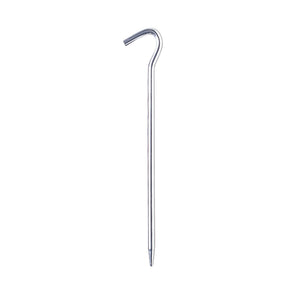
Duralumin Peg
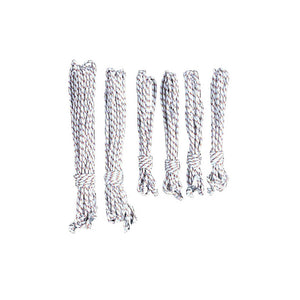
Rope Set Pro Recta
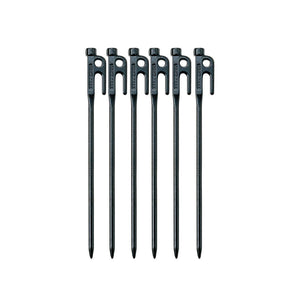
Solid Stake #30 - 6 Pcs Set
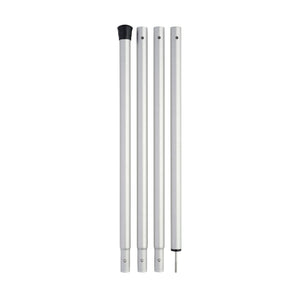
Wing Pole 280cm Aluminium
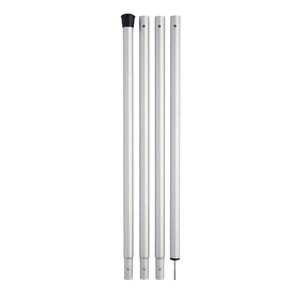
Tarp Pole 210cm Aluminium
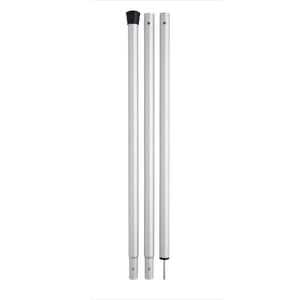
Aluminium Pole 170cm
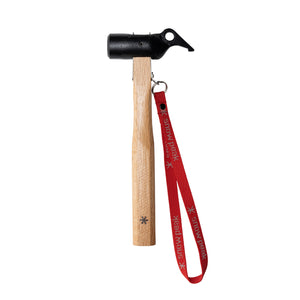
Steel Head Peg Hammer
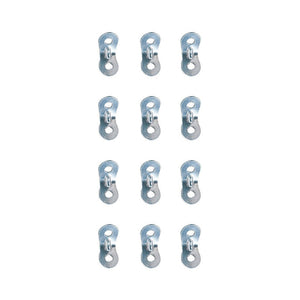
Aluminium Tensioner 12Pc Set
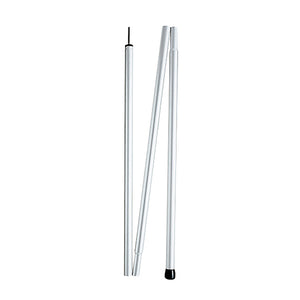
Wing Pole 240cm Aluminium
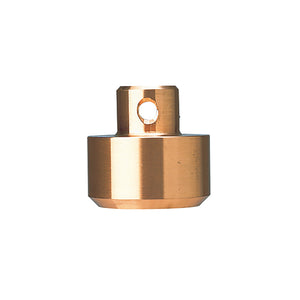
Spare Copper Hammer Heads
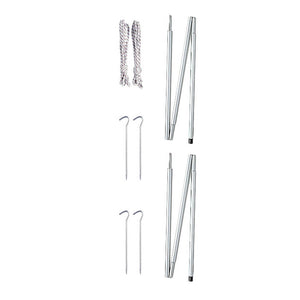
Awning Pole Set
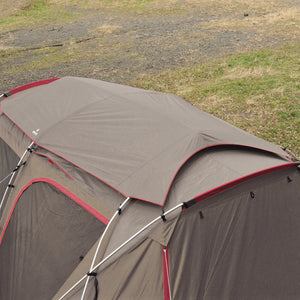
Landlock Shield Roof
Copper Head Peg Hammer
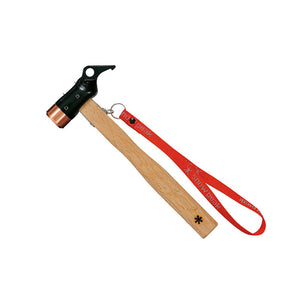
Light Tarp Pole 125cm 2pcs
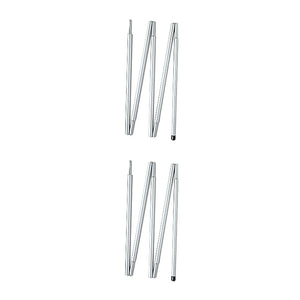
Light Tarp Pole 150cm 1pcs
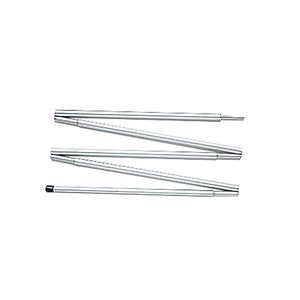
Rope Set Pro Hexa
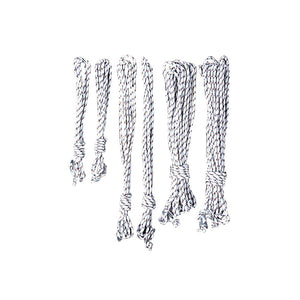
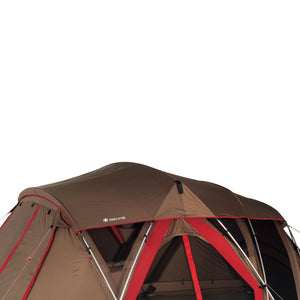
Living Shell Shield Roof Grey
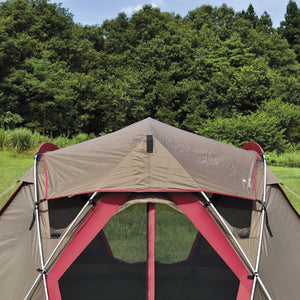
Living Shell Long Pro. Shie...
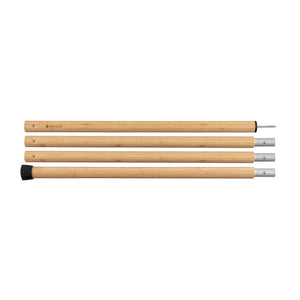
Wood Pole 280cm
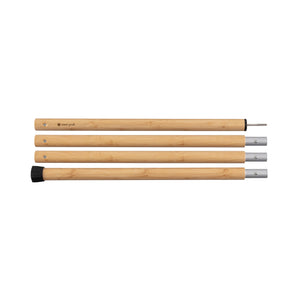
Wood Pole 240cm
Wood Pole 120cm
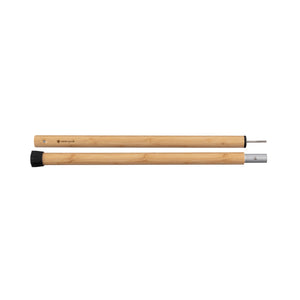
Snow Peak Logo Sticker M

Snow Peak Logo Sticker L

Colour Stake #30
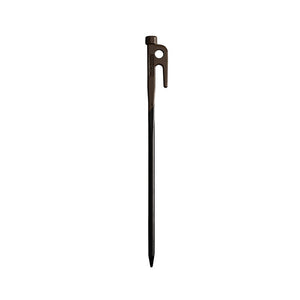
Aluminium Finger Peg 10 pcs...
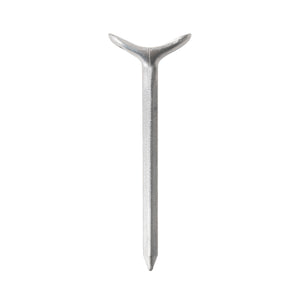
Polypropylene Rope Pro. 3mm...
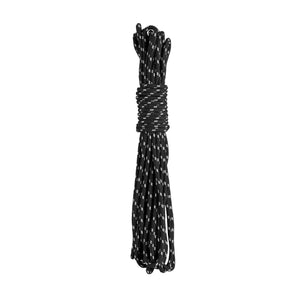
Polypropylene Rope Pro. 4mm...
Stake Puller
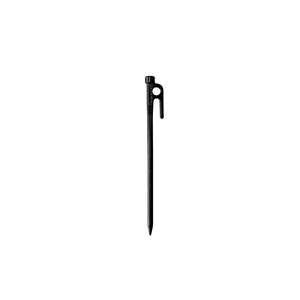
Solid Stakes
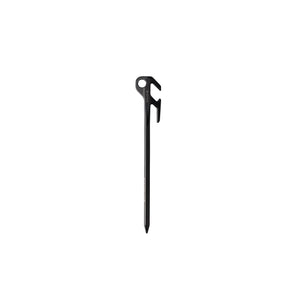
Delta Solid Stakes
Land Nest Shelter Roof Sheet
Mosquito Pig Coil Mini in B...